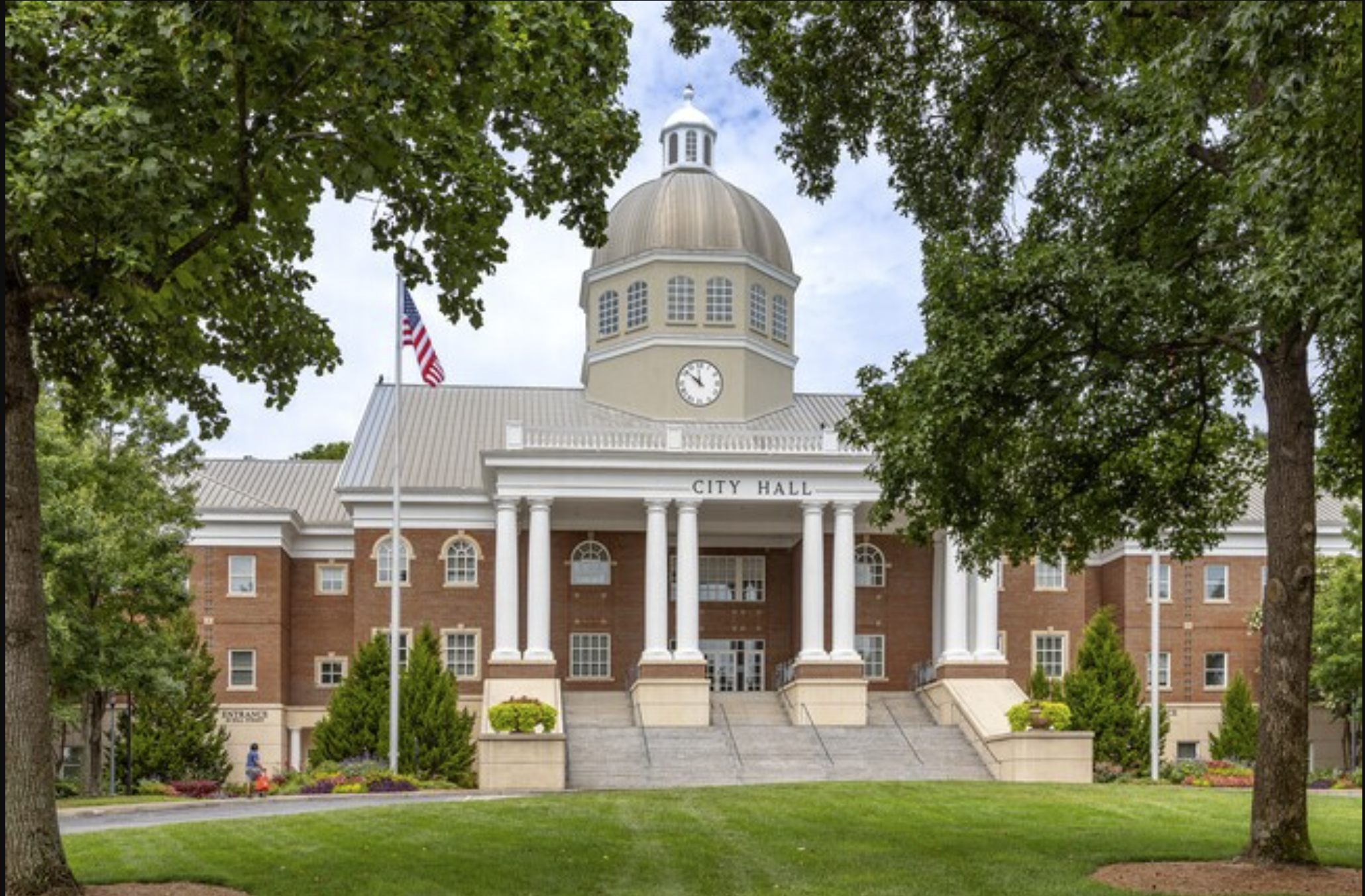
We The People Visit Roswell City Hall
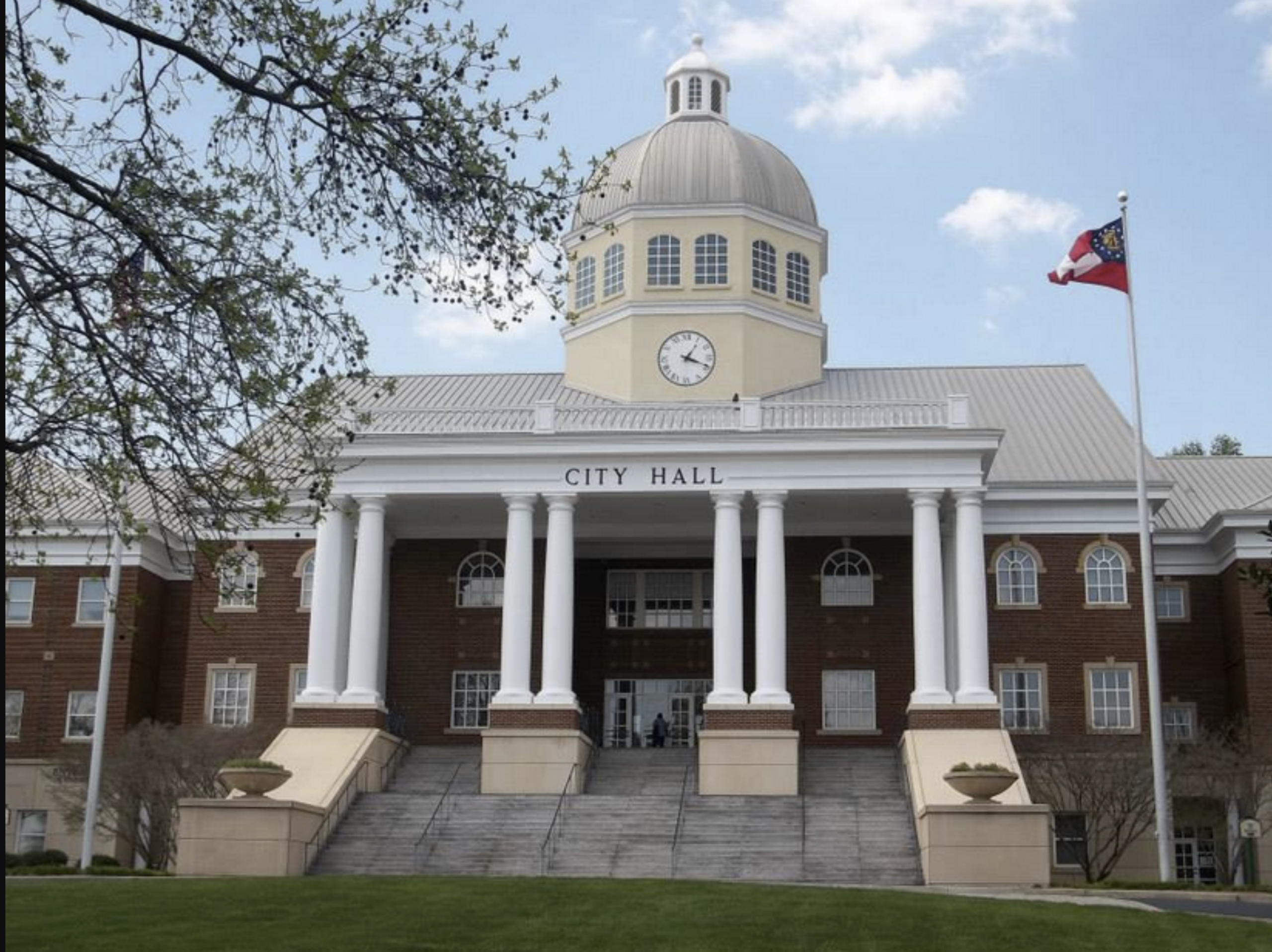
On September 2, 2026, Roswell Mayor Mary Robichaux announced a proposed 56% increase in property taxes. She cited aging buildings, roads that need repaving, outdated fire equipment, and other capital needs, saying, “I do not take this decision lightly.”
The mayor’s proposal to increase the city’s property tax rate from 4.949 mills to 7.732 mills prompted pushback from residents and area politicians. The Roswell community studied the numbers, learned the city budgeting process, and demanded answers from city government.
The Final Millage Rate
After much debate, support from politicians, and strong citizen engagement, on September 28, the City Council adopted a millage rate of 5.232 mills, instead of 7.732. (The total city millage rate increased approximately 5.7% – from 4.949 to 5.232.)
The outcome of the 2026 millage debate shows that active, informed citizen participation can influence government decisions. It also highlights the importance of elections.
But looking forward, there is more to know.
As Roswell enters the 2027 budget cycle, it is important to understand the City of Roswell budgeting process, what unfolded during the 2026 property tax debate, and what lies ahead as the community prepares for the budgeting meetings.
The Budgeting Process
The Mayor, City staff, the Budget Office, and City Council have distinct responsibilities in Roswell’s financial planning:
- City staff and the Budget Office develop the financial information and draft the annual budget.
- The Mayor reviews the budget and presents it to City Council.
- City Council reviews the budget, asks questions, and modifies and votes on the annual budget that has been presented to them.
In addition to enacting the budget, the City Council holds the final votes on property tax millage rates as part of funding the budget plan.
The adoption of the annual operating budget and the approval of the millage rate are conducted as two separate votes. They can occur at separate times.
Sequences
When the Mayor made her September 2 announcement, citing needed city expenditures, the proposed FY2027 budget had not been formally presented to City Council. The formal budget meeting was scheduled for October.
In other words, the tax-increase proposal preceded the formal budget presentation.
As a result, City Council had to determine how much additional tax revenue was needed before the full Fiscal Year 2027 spending plan was presented. This timing made it difficult for council members to assess the complete financial picture and nearly impossible for many residents to fully understand the proposal.
For those who did understand, their pushback wasn’t against the need to repair or maintain Roswell infrastructure. The problem was the disruption of Roswell’s budgeting process – the missing step between identifying the city’s needs and subsequent determination of a tax rate.
And there was more.
What Was Known About the 2026 Budget
Before the September 2 announcement, Roswell city government officials had information on the city’s current financial condition. At the August 11, 2026, Committees of Council meeting, city staff presented Roswell’s second-quarter 2026 financial forecast.
According to that forecast, the city budget was projected to perform approximately $5 million better than planned in its use of fund balance. While $8.4 million had originally been budgeted to be used, staff projected in August that $3.4 million would actually be drawn. (A fund balance represents the net resources available in a fund, calculated as total assets minus total liabilities, indicating the financial health and spending capacity of an organization.)
Part one of this series offers a more detailed explanation of the second-quarter August 11 financial forecast. The key takeaway here is that, by September 2, available city data showed Roswell was not facing an operational deficit.
Though there were plenty of sound reasons to oppose the millage rate increase, it took residents and local politicians who understood the issue to keep making sensible objections. They also educated the community, and by September 28, a groundswell of opposition to the tax increase had developed.
We the People couldn’t be ignored by the City government.
We The People
First and foremost, meaningful citizen engagement was central to the conclusion of the millage debate – as it should be. Citizens sit at the very top of Roswell’s organizational chart.
That principle is grounded in the constitutions of both our state and nation. The preamble to the Constitution of the State of Georgia states, “we the people of Georgia, relying upon the protection and guidance of Almighty God, do ordain and establish this Constitution.”
To perpetuate the principles of free government, insure justice to all, preserve peace, promote the interest and happiness of the citizen and of the family, and transmit to posterity the enjoyment of liberty, we the people of Georgia, relying upon the protection and guidance of Almighty God, do ordain and establish this Constitution.
Similarly, the preamble to the U.S. Constitution opens with “We the People,” establishing that governing power ultimately rests with the public.
We the People of the United States, in Order to form a more perfect Union, establish Justice, insure domestic Tranquility, provide for the common defence, promote the general Welfare, and secure the Blessings of Liberty to ourselves and our Posterity, do ordain and establish this Constitution for the United States of America.
Because local government actions and local elections shape our daily life most directly, responsible citizens serve as stewards of their community. Our community is fortunate to have such people.
Thank You
The Roswell community owes a big Thank You to those who invested countless hours of concentrated effort examining financial reports, attending City Council meetings, and offering sensible, constructive public comments. Because of their efforts, Roswell citizens were well represented.
Special Recognition
Special recognition is also owed to the local political leaders and candidates who attended public meetings, voiced their concerns, and pushed back against the proposed millage rate increase.
Those who showed up to speak are:
–Bridget Thorne, District 1 Fulton County Commissioner (running for reelection)
–Eric Tatum, running for Fulton County Commission Chair
–Representative Chuck Martin, District 49 (running for reelection)
–Representative Scott Hilton, District 48 (running for reelection)
These leaders who stood up publicly for taxpayers deserve sincere gratitude and our vote!
Who we vote into office matters at every level.
Where We Go from Here
As Roswell heads into the Fiscal Year 2027 budget cycle, residents can take several practical steps to stay informed, engaged, and involved. How actively you choose to participate is entirely up to you. Every effort contributes.
- Study Part 1 of this series to understand the recent millage rate debate and how Roswell’s budgeting process works.
- Track upcoming city meetings: Stay informed about Roswell City Council and budget-related meeting dates HERE.
- Attend City Council budget meetings: Participate in or observe upcoming budget work sessions and hearings.
- Demand Financial Analysis: Ask for data-backed financial justifications for any major tax or spending proposal.
- Engage on community platforms: Follow conversations on Nextdoor and other local social media channels, contribute to the conversation, and share relevant information with neighbors and friends.
- Contact City Council members: Reach out directly to members to share your thoughts and ask questions. Their information is HERE.
- Hone your public speaking skills: Learn how to deliver effective comments at city council meetings by signing up for free training provided by the Georgia First Amendment Foundation. HERE.
In Summary
Let’s ensure that the Fiscal Year 2027 budget is more coherent. Roswell City Council and residents should insist that the budget process follows a proper sequence. When the Mayor’s budget is formally presented, Council and Roswell residents should insist on seeing the full calculations behind the budget. They should ask questions and respectfully listen to the answers.
Working in this way, city officials and citizens can address valid concerns collaboratively and ultimately build a better Roswell – something we all want.